125 BP Series Bypass Adjustable Flow Monitor


Request a quote
Add this product to the quotation list or request a quotation for this product directly. Within two business days you'll receive a detailed quotation drafted by one of our experts.
Product Description
The 125 BP flow switch is a compact, adjustable flow monitor that uses a smart bypass design. This series is ideally suited for applications where the ratio between normal flow and switch point is small (10:1 or less). This makes the 125 BP series an extremely accurate solution for monitoring both gases and liquids in critical processes.
Product specifications
| Product specifications | Test method | ||
|---|---|---|---|
| Application | Measuring and controlling gases & liquids | ||
| Product group | Flow monitors and excess flow valves | ||
Gerelateerde producten
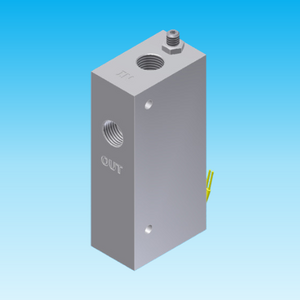 125 Series Standard Unobtrusive Adjustable Flow Monitor
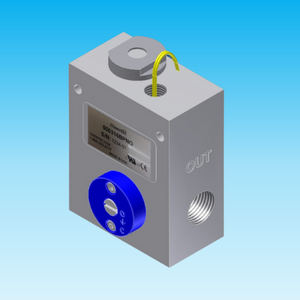 500 BP Series Adjustable Flow Monitor
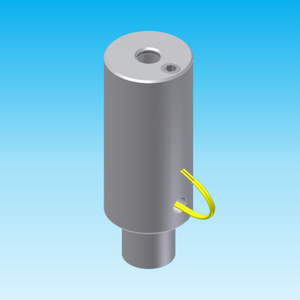 CCM Series Adjustable Flow Monitor
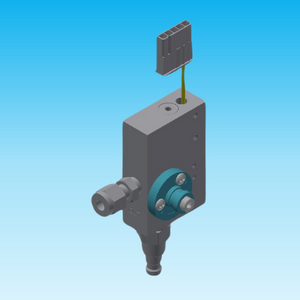 Custom 125 flow switch
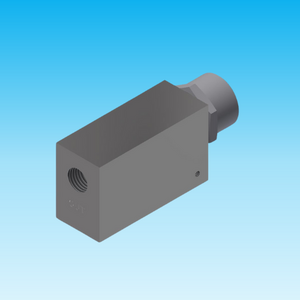 EFV Series Adjustable Excess Flow Valve
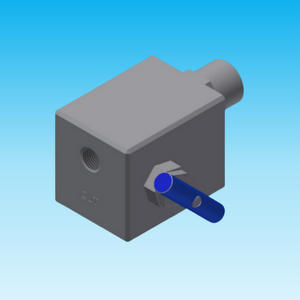 EFV MRS Series Manual Reset Adjustable Excess Flow Valve
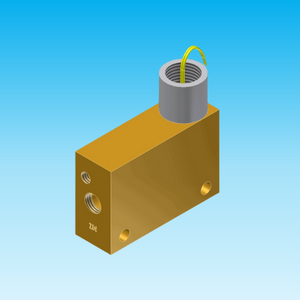 FAV Series Adjustable Flow Monitor
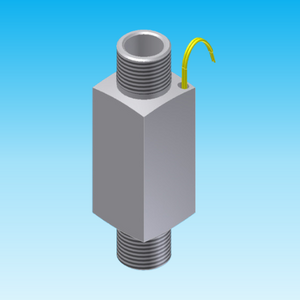 FS Flow Switch
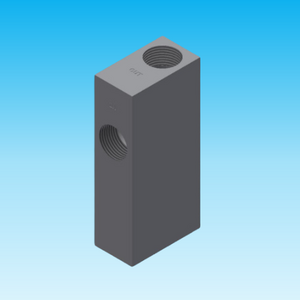 HPEFV Series Adjustable High Pressure Safety Excess Flow Valve
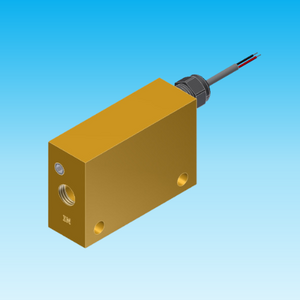 LCA Series Adjustable Flow Monitor


